Plaster appliques
Provenance and site: Panticapaeum (Kerch), Crimea, late 1st to 2nd century CE
Plaster, polychrome painting.
Max. H: 15.5 cm
a) UMP 11730 – Medusa mask
b) UMP 8500 – griffins
c) UMP 8516 – bucranium
d) UMP 8520 – wreath
e) UMP 8543 – theatrical mask
f) UMP 8480 – theatrical mask
g) UMP 8498 – feline head
e) UMP 8518 – Scylla
Plaster appliqués were included in tombs and served to adorn the wooden sarcophagi. They were mass produced from forms and decorated with polychrome painting. Among the most common themes were the goddesses Demeter, Artemis Bendis, Kore / Persephone, Cybele, Nike, Aphrodite and others, as well as the gods and demigods
Apollo, Hercules, Dionysus and Eros. Also featured were satyrs, Gorgoneions (Medusa Gorgon relief masks to ward off evil), theatrical masks, griffins, lionheads, bucrania, and decorative elements such as wreaths, palms and rosettes.
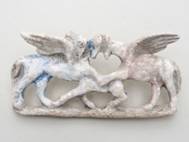
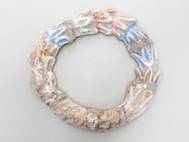
b) UMP 8500 d) UMP 8520
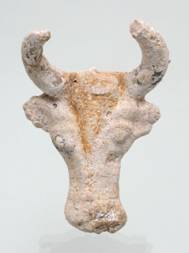
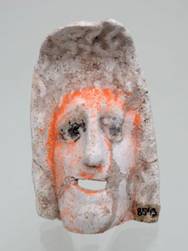
c) UMP 8516 e) UMP 8543
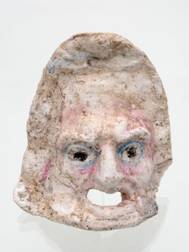
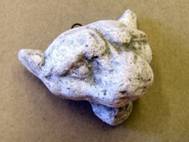
f) UMP 8480 g) UMP 8498
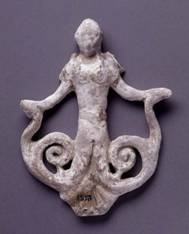
e) UMP 8518